Travelers visiting the islands often wonder whether they can purchase lottery tickets while enjoying their vacation in paradise. Hawaii is one of only five states in the United States that strictly prohibits all forms of official state lotteries. Because of local legislation, you cannot walk into a convenience store in Honolulu or Maui and buy a entry for games like Powerball or Mega Millions.
The Current Stance on Gambling in Hawaii
Hawaii maintains some of the most stringent anti-gambling statutes in the entire nation to protect its unique cultural atmosphere. State lawmakers have continuously voted down bills aimed at creating a state-run lottery system. The primary goal of these laws is to preserve local communities and avoid the social costs associated with commercial gambling.
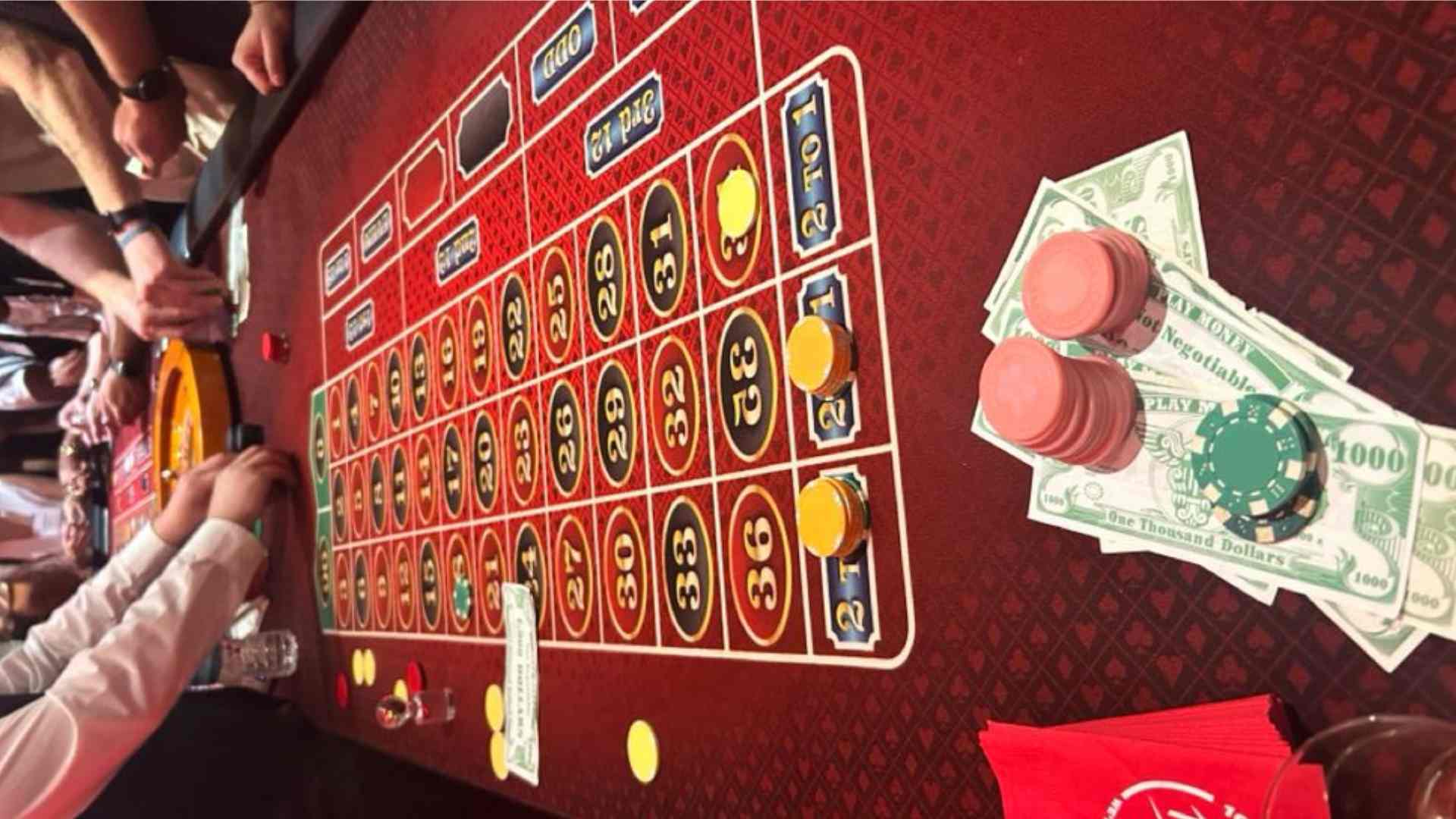
Because there are no legal casinos or racetracks on the islands, lotteries share the same prohibited status under state penal code. Residents and visitors alike must comply with these regulations while staying within state borders. Consequently, no licensed retailers exist anywhere across the archipelago to sell valid draw tickets.
Out-of-State Travel and Online Services
Many Hawaii residents who wish to participate in national jackpot drawings choose to buy their tickets when traveling to other states. It is completely legal for Hawaii residents to purchase lottery entries in states like California or Nevada during business or leisure trips. However, attempting to order tickets online through third-party services while physically located in Hawaii is prohibited by geofencing laws.
Modern digital platforms use precise GPS coordinates to verify user location before accepting any transaction. Even established online gaming portals like m88 login alternatif enforce strict location-based compliance rules to align with regional regulations. Therefore, physically crossing into a state where lotteries are legalized remains the only valid way for island residents to buy tickets.
Legislative Debates and Future Prospects
From time to time, lawmakers introduce bills proposing a Hawaii state lottery to generate revenue for public infrastructure and education. Proponents argue that the funds generated could significantly help reduce local tax burdens and improve local schools. They also point out that millions of dollars leave Hawaii every year as residents travel to places like Las Vegas to gamble.
Despite these economic arguments, opposition from community groups and moral leaders remains strong enough to block legislative progress. Opponents voice concerns about potential gambling addiction and the regressive nature of lottery sales on lower-income households. As a result, the state government continues to prioritize traditional tax models and tourism over state-sanctioned gaming revenue.
Understanding Hawaii Lottery Alternatives
For individuals looking for legitimate entertainment, Hawaii offers numerous outdoor activities and non-gambling attractions that define island culture. Many local organizations host social events, raffles, or charitable functions that operate under strict non-profit exemptions. However, these charity raffles are heavily regulated and do not function like standard commercial lotteries.
Understanding these strict state regulations helps travelers plan their trips without expecting typical gaming options. Until local laws undergo a fundamental transformation, purchasing a lottery ticket in Hawaii will remain unavailable to the public. Visitors should focus instead on enjoying the natural beauty, history, and unique hospitality that the islands provide.